
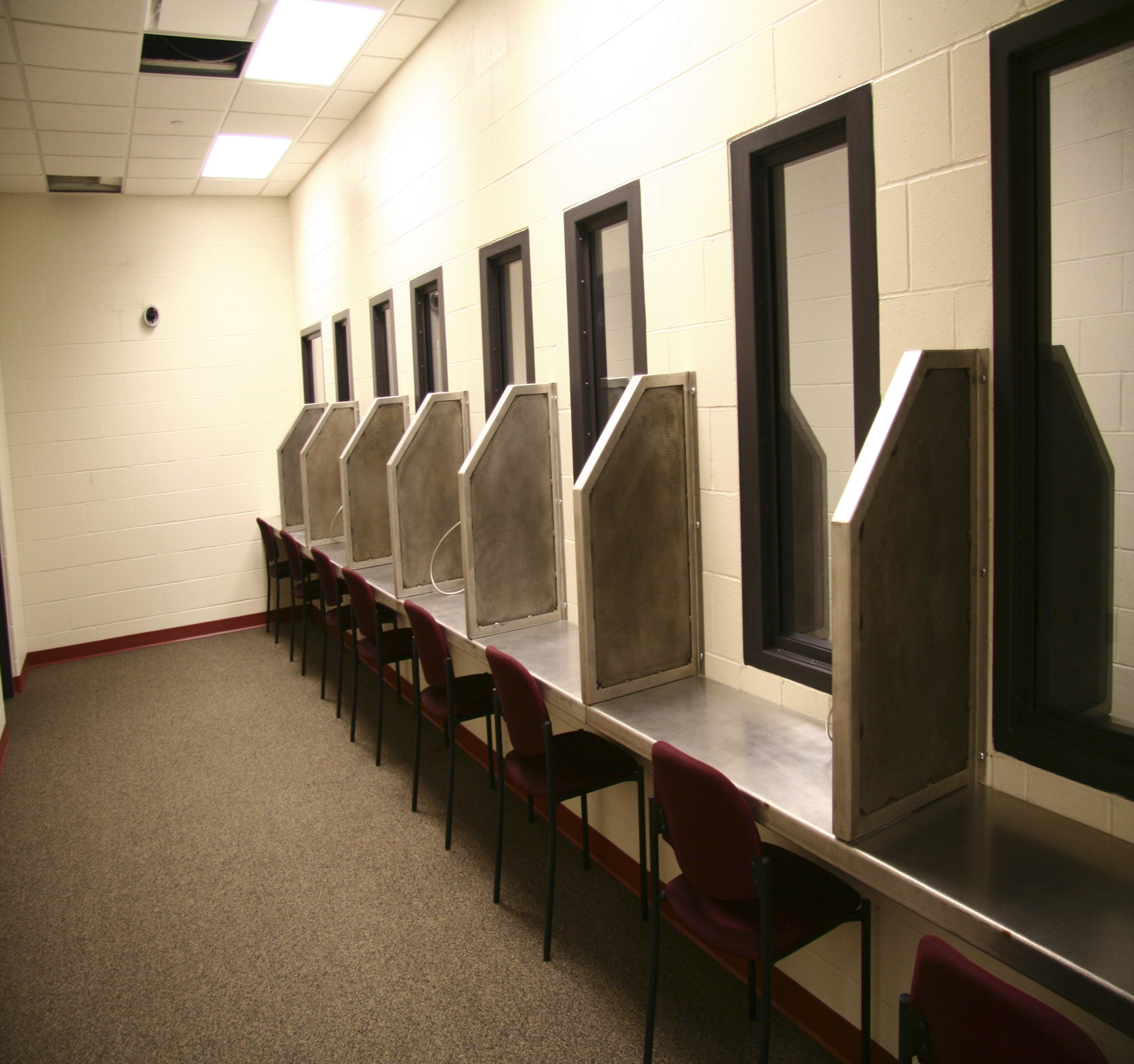

Family members of prisoners experience a form of incarceration themselves through strict rules, surveillance and emotional regulation imposed during visits, a recent study has found.
The study was led by Dr Nicole Ryan, a criminologist in the La Trobe University Law School, in collaboration with Dr Nathan Ryan from the Australian Catholic University and Dr Michael Chataway from Queensland University of Technology.
Few studies have sought to investigate how these challenges may lead to secondary prisonisation or how these experiences impact visitors’ day-to-day lives.
Research participants found that the “control of visitors, intimidating security protocols and the hostile demeanour of some staff, can result in enduring changes to innocent people.”
Participant findings include that “families often reorganise work schedules, take unpaid leave and hide their circumstances for fear of stigma. The cost of maintaining contact can be substantial, with travel, accommodation, food and commissary deposits often exceeding hundreds of dollars per visit.”
The study highlights the needs for a more humane approach to the treatment of prison visitors with recommendations including training correctional staff on the impacts of secondary prisonisation, appointing visitor advocates to support families during visits and reducing communication costs to stem the impact of prisoner family visits.
The findings of this study were published in Corrections: Policy, Practice and Research.
Read the full article here.
Dr Michael Chataway is a senior lecturer and researcher at the Queensland University of Technology. Dr Chataway has significant expertise in quantitative research and app based methods of research. His current research focuses on better understanding occupational violence incidents in healthcare, and in particular, fear of occupational violence among nurses and midwives.
Read more about Michael’s research here


Comments are closed.